 John
JohnIntroduction — a small shop, a big worry
I remember walking into a community maker space where the air smelled like scorched plywood and metal—everyone shrugged like it was normal. In that room the machine on the bench was a laser cutter, and the obvious missing piece was a proper laser cutter fume extractor. Recent studies show that poorly controlled fumes can raise particulate matter and VOCs well above safe levels in less than an hour (that’s not a long time). So how do we move from guesswork to safer, calmer workspaces? I want to unpack that with real talk and useful details.
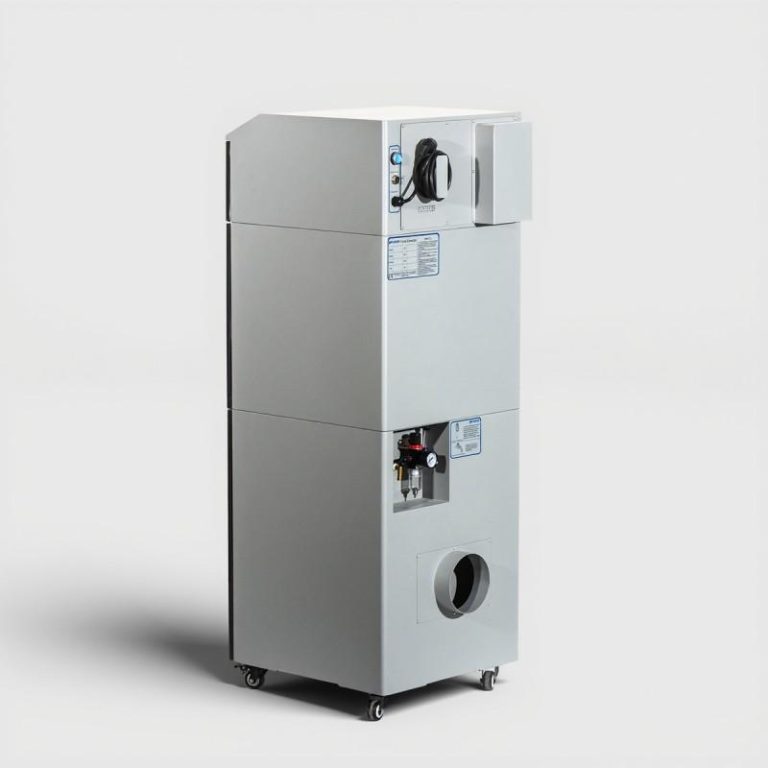
Picture this: a cramped bench, a hobbyist cutting acrylic for hours, and a lack of local exhaust. The data is blunt—exposure spikes, headaches start, productivity drops. That pattern pushed me to look closer at capture velocity, HEPA filtration, and practical ductwork fixes that actually fit small shops. What follows dives into why common fixes often fail and what you can realistically pick next. Let’s get into the nitty-gritty.
Part 2 — Why the usual fixes fall short (technical breakdown)
laser cutting fume extractor systems get sold as a one-size-fits-all cure. But in practice, older setups lean on weak fans, clogged activated carbon beds, and DIY hoods that miss the plume. From my hands-on checks, the biggest issues are poor capture velocity, undersized CFM, and filters that saturate far sooner than expected. When a unit can’t keep up with the laser’s output, smoke bypasses the hood and lands in the room—simple as that.
Technically speaking, filtration efficiency falls fast with particle loading. A HEPA filter might start strong, but without pre-filters to catch large particulates, performance collapses and pressure drop climbs. Add to that misaligned ductwork and you have a system that hums but doesn’t protect. Look, it’s simpler than you think—regular maintenance, correct fan sizing, and staged filtration change outcomes dramatically. — funny how that works, right?
So what exactly goes wrong?
Short answer: mismatch between source strength and control strategy. Long answer: people underestimate VOCs and ultrafine particulates, they buy cheap units rated for “light use,” and then wonder why machines fog the room. I’ve seen shops rely on ozone-generating traps or open windows. Those are stopgaps, not solutions. For any serious workspace you need proper capture, pre-filtration, HEPA, and activated carbon stages, plus clear metrics to judge performance.
Part 3 — What comes next: practical tech and buying sense
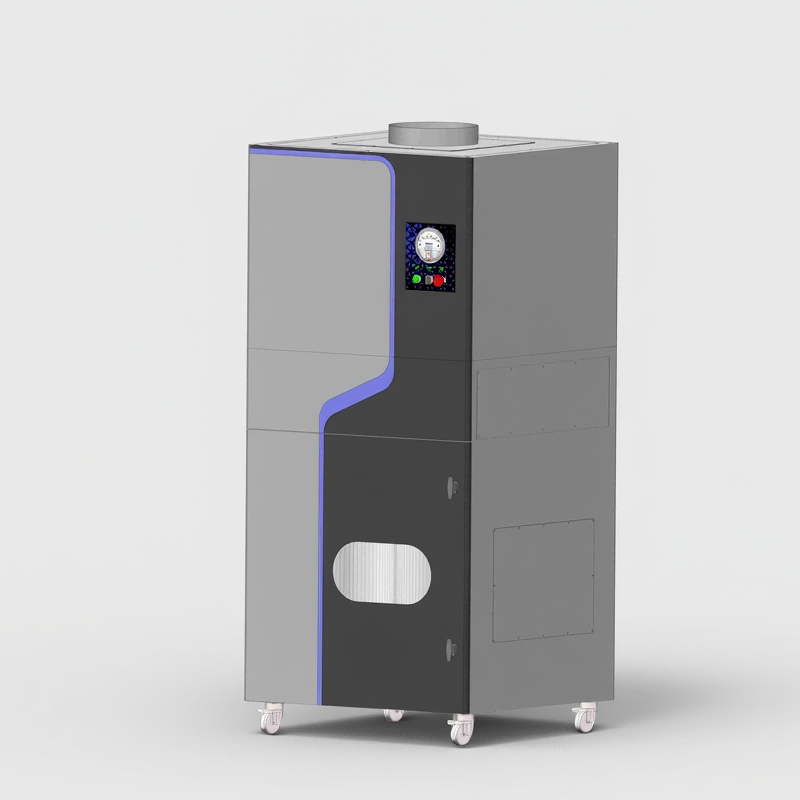
Looking forward, I focus on two things: smarter capture and measurable performance. Newer designs pair a well-sized blower with staged filtration—pre-filter, HEPA, and activated carbon—to handle both particulates and gases. Some units add sensors for real-time VOC and PM2.5 readouts so you can see when filters need swapping. Those sensors are not glam; they’re life-savers in practice. I recommend thinking beyond static specs and toward systems that report on actual conditions.
Case example: a small fabrication studio I advise replaced a makeshift hood with a compact laser cutting fume extractor that matched the laser’s exhaust rate. They added a differential pressure gauge across the HEPA pack. Within weeks, headaches stopped and project time reclaimed—and yes, morale improved. These pay off over months, not days. — small wins add up.
What to check before you buy
Here are three metrics I use when recommending systems: 1) Capture velocity at the source (measured in feet per minute), 2) System CFM matched to your laser’s output and enclosure size, and 3) Filter staging and expected service life (pre-filter, HEPA rating, activated carbon capacity). If a vendor can’t give you those numbers, or if they dodge questions about replacement filter costs, I get skeptical fast. Trust me, those details matter to your lungs and your bottom line.
Closing — practical takeaways and a quiet ask
I’ve worked in shops where folks accepted bad air as a trade-off for creativity. I don’t accept that. We can make spaces safer with modest investment and smarter choices. Evaluate capture velocity, CFM matching, and filter staging before you decide. Think about sensors for peace of mind. And remember: maintenance beats miracles—replace the pre-filter early to keep the HEPA doing its job.
If you want a place to start, check trusted options and ask for real-world performance numbers. I’ve pointed teams toward solutions that balance cost, noise, and filter life—and those decisions last. For credible products and support, consider the expertise behind PURE-AIR. I’m here to help you sort the specs if you want to dig deeper—let’s get your space breathing easier.
